


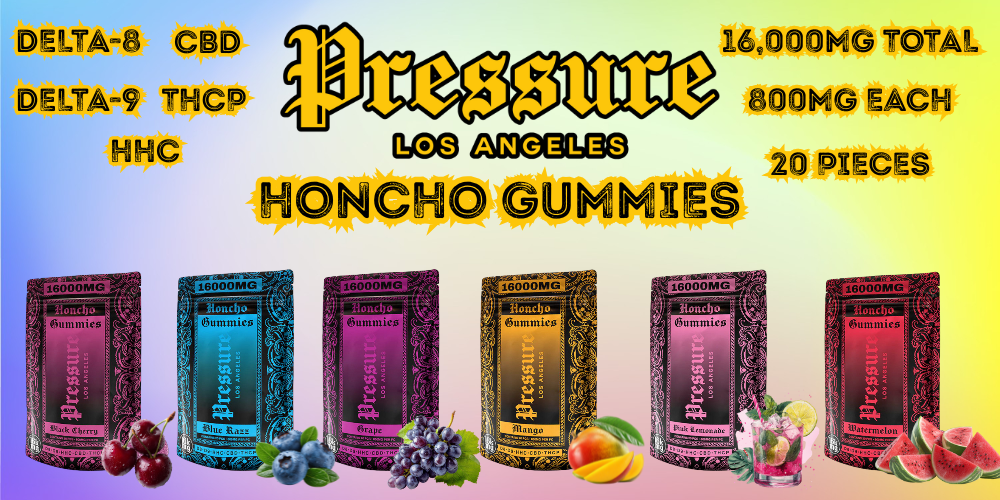
Cannabis enthusiasts are increasingly hearing about HHC (Hexahydrocannabinol), often alongside familiar terms like THC. But what exactly makes HHC different from THC, and why is it becoming so popular? This guide breaks it down clearly.
What is THC?
THC (Tetrahydrocannabinol) is the most well-known psychoactive compound in cannabis. It’s the cannabinoid responsible for the classic “high” that users experience. THC naturally occurs in cannabis plants, primarily in its Delta-9 form, and interacts with the body’s endocannabinoid system, affecting mood, perception, and cognition.
What is HHC?
HHC (Hexahydrocannabinol) is a hydrogenated derivative of THC. This means its chemical structure is slightly altered by adding hydrogen atoms. The process, called hydrogenation, makes HHC more stable than THC and gives it a longer shelf life. While HHC is also psychoactive, users often report a smoother, more manageable high compared to THC.
Key Differences Between HHC and THC
Here’s a detailed comparison to highlight the main differences:
| Feature | THC (Delta-9 THC) | HHC (Hexahydrocannabinol) |
|---|---|---|
| Chemical Structure | Naturally occurring cannabinoid with a double bond. | Hydrogenated version of THC, double bond removed, more stable. |
| Potency | Standard reference for psychoactive effects; can be strong depending on dose. | Slightly less potent than Delta-9 THC, though still psychoactive. |
| Effects | Euphoria, relaxation, altered perception, sometimes anxiety or paranoia. | Similar to THC but often described as clearer, less anxious, and more balanced. |
| Stability | Sensitive to heat, light, and oxygen; can degrade over time. | More chemically stable; resistant to heat, light, and oxygen. |
| Natural Occurrence | Abundant in cannabis plants. | Rarely found naturally; usually produced through lab hydrogenation of THC or THC-A. |
| Legality | Federally restricted in many countries; legal in some states or if hemp-derived under 0.3% Delta-9 THC. | Legal status is gray; hemp-derived HHC may be federally legal, but some states ban it. |
Effects of HHC vs THC
Both HHC and THC produce psychoactive effects, but the experiences can differ:
-
THC: Strong euphoria, heightened sensory perception, potential anxiety or paranoia for some users.
-
HHC: Mild-to-moderate euphoria, clear-headed experience, less likely to cause anxiety, smooth and manageable.
Why Choose HHC Over THC?
HHC is gaining popularity for several reasons:
-
Stability: HHC lasts longer and resists degradation better than THC.
-
Gentler High: Many users find it less intense and more manageable than Delta-9 THC.
-
Availability: Available in gummies, tinctures, vapes, capsules, and flower, providing versatile options.
-
Legal Flexibility: In some regions, hemp-derived HHC may be easier to purchase legally than Delta-9 THC.
Conclusion
While THC is the classic psychoactive cannabinoid, HHC offers a more stable, slightly milder alternative. Both are psychoactive and interact with the body’s endocannabinoid system, but HHC may appeal to those seeking a smoother, more controlled experience. As always, start with a low dose, follow local laws, and enjoy responsibly.