


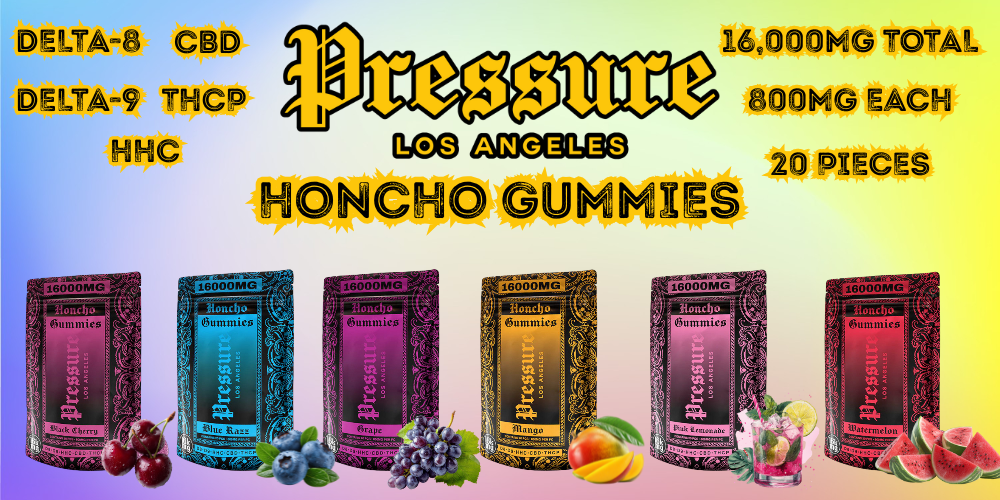
As new cannabinoids continue to emerge in the hemp industry, one that’s been gaining major attention is THC-P. But what exactly does THC-P stand for, and what makes it different from regular THC?
Let’s break it down in simple terms.
THC-P = Tetrahydrocannabiphorol
The abbreviation THC-P stands for Tetrahydrocannabiphorol, a naturally occurring phytocannabinoid found in cannabis and hemp plants.
It was discovered in 2019 by a group of Italian researchers who identified it as a rare, highly potent analog of Delta-9 THC — the compound best known for producing the “high” associated with cannabis.
What makes THC-P special is its unique chemical structure. While regular THC has five carbon atoms on its side chain, THC-P has seven. This seemingly small difference allows THC-P to bind much more effectively to the body’s CB1 receptors, which control how cannabinoids affect the brain and nervous system.
Why Is That Important?
Because of this stronger bond, scientists believe THC-P can be up to 30 times more active at the CB1 receptor than Delta-9 THC.
This doesn’t necessarily mean it’s 30 times more psychoactive — but it does mean it can produce stronger and longer-lasting effects even in smaller doses.
Users often describe THC-P’s effects as:
-
Deep relaxation and calm
-
Elevated mood and euphoria
-
Heightened sensory perception
-
Lasting physical relief
Is THC-P the Same as THC?
Not quite. While both compounds are chemically related and interact with the same cannabinoid receptors, THC-P is much more potent.
-
THC (Delta-9) – The main psychoactive compound in cannabis.
-
THC-P (Tetrahydrocannabiphorol) – A naturally occurring analog of THC with enhanced receptor activity and stronger effects.
Because THC-P occurs in trace amounts naturally, most THC-P products on the market today are made from hemp-derived cannabinoids, making them federally legal under the 2018 Farm Bill (as long as they contain <0.3% Delta-9 THC).
The Bottom Line
THC-P stands for Tetrahydrocannabiphorol, one of the most powerful cannabinoids ever discovered. Its unique structure allows it to interact with your endocannabinoid system more efficiently, producing stronger, longer-lasting effects than regular THC.
As research continues, THC-P may redefine how people experience hemp-derived wellness and psychoactive cannabinoids.