

1. Delta-9 THC Products
1.1 What is Delta-9 THC?
Delta-9 THC (tetrahydrocannabinol) is the primary psychoactive compound found in cannabis. It produces the “high” associated with marijuana and interacts with the body’s endocannabinoid system to affect mood, appetite, and perception. Read here for detailed info.
1.2 How is Delta-9 different from Delta-8, Delta-10, or THC-A?
Delta-9 is the most potent form of THC. Delta-8 and Delta-10 are chemically similar but produce milder effects. THC-A is the non-psychoactive precursor that only becomes Delta-9 when heated (decarboxylated). Read here for detailed info.
1.3 Is Delta-9 THC legal in my state?
Legality varies by state. In states where recreational or medical marijuana is legal, Delta-9 is allowed under regulations. Hemp-derived Delta-9 (<0.3% THC by dry weight) may be federally legal. Always check local laws. Read here for detailed info. Read here for detailed info.
1.4 Can I buy Delta-9 THC products online?
Yes, in states where Delta-9 THC is legal, you can purchase products online. Make sure the retailer provides lab-tested, compliant products. Read here for detailed info.
1.5 What types of Delta-9 products are available?
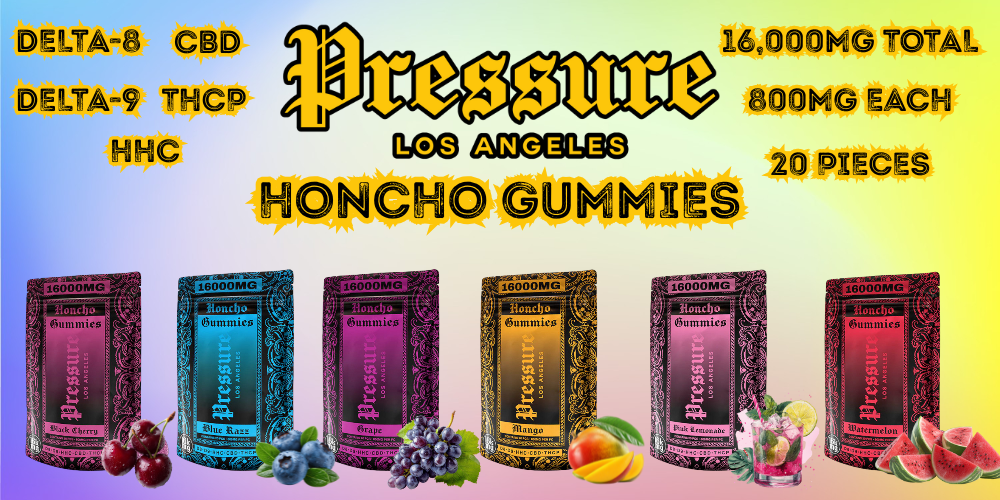
Common Delta-9 products include gummies, tinctures, capsules, vapes, edibles, and topicals. Read here for detailed info.
2. THC-A Products
2.1 What is THC-A?
THC-A (tetrahydrocannabinolic acid) is a non-psychoactive cannabinoid found in raw cannabis. It only becomes psychoactive when heated (decarboxylated) into Delta-9 THC. Read here for detailed info.
2.2 How is THC-A different from Delta-9 THC?
THC-A does not produce a high until it is heated. Delta-9 is already active and psychoactive. Read here for detailed info.
2.3 Does THC-A get you high?
Raw THC-A does not get you high. Heating converts it to Delta-9 THC, which is psychoactive. Read here for detailed info.
2.4 Is THC-A legal in my state?
Legality depends on state regulations and whether the THC-A product is hemp-derived (<0.3% Delta-9 THC). Read here for detailed info.
2.5 How is THC-A extracted?
THC-A is extracted from raw cannabis using CO2 or ethanol extraction, preserving the acidic form. Read here for detailed info.
3. CBD Products
3.1 What is CBD?
CBD (cannabidiol) is a non-psychoactive cannabinoid found in hemp and cannabis that supports wellness without producing a high. Read here for detailed info.
3.2 Is CBD psychoactive?
No, CBD does not produce a “high.” Read here for detailed info.
3.3 Are there different types of CBD?
Yes: full-spectrum (contains all cannabinoids), broad-spectrum (no THC), and isolate (pure CBD). Read here for detailed info.
3.4 Is CBD legal in my state?
Hemp-derived CBD (<0.3% THC) is federally legal, but some states have restrictions. Read here for detailed info.
3.5 Can I buy CBD online?
Yes, if compliant with federal and state laws. Ensure lab-tested products. Read here for detailed info.
4. CBG Products
4.1 What is CBG?
CBG is a naturally occurring cannabinoid found in hemp and cannabis, known as the “mother of all cannabinoids” because other cannabinoids, including CBD and THC, are derived from it. Read here for detailed info.
4.2 What does CBG stand for?
CBG stands for cannabigerol. Read here for detailed info.
4.3 How is CBG different from CBD?
CBG and CBD are both non-psychoactive, but CBG is considered the precursor cannabinoid from which CBD and THC are formed. Read here for detailed info.
4.4 How is CBG different from THC?
Unlike THC, CBG does not get you high. THC interacts with CB1 receptors in the brain, while CBG supports balance and wellness without psychoactive effects. Read here for detailed info.
4.5 Is CBG psychoactive?
No, CBG is non-psychoactive. Read here for detailed info.
5. THC‑V Products
5.1 What is THC‑V?
THC‑V is a naturally occurring cannabinoid found in cannabis and hemp, similar in structure to Delta‑9 THC but with distinct effects. Read here for detailed info.
5.2 What does THC‑V stand for?
It stands for tetrahydrocannabivarin. Read here for detailed info.
5.3 How is THC‑V different from Delta‑9 THC?
THC‑V has a slightly different chemical structure, which may produce a more clear-headed, stimulating effect and potentially suppress appetite, unlike Delta‑9 THC’s classic euphoric high. Read here for detailed info.
5.4 Is THC‑V psychoactive?
Yes, but it’s generally considered less intoxicating than Delta‑9 THC. Read here for details.
5.5 Does THC‑V get you high?
In higher doses, THC‑V can produce mild psychoactive effects, but users often report a more energizing, focused high rather than heavy sedation. Read here for details. Read here for details.
6. CBN Products
6.1 What is CBN?
CBN is a naturally occurring cannabinoid in cannabis and hemp, primarily known for its potential relaxing and sleep-supportive effects. Read here for details.
6.2 What does CBN stand for?
It stands for cannabinol. Read here for details.
6.3 How is CBN different from CBD?
While CBD supports relaxation and wellness without sedation, CBN is often associated with sleep and calming effects. Read here for details.
6.4 How is CBN different from THC?
CBN is mildly psychoactive at best, whereas THC is the main intoxicating cannabinoid in cannabis. Read here for details.
6.5 Is CBN psychoactive?
CBN is very mildly psychoactive, but typically does not produce a high. Read here for details.
7. THC‑P Products
7.1 What is THC‑P?
THC‑P is a naturally occurring cannabinoid that is structurally similar to Delta‑9 THC but is reported to be up to 30 times more potent. Read here for details.
7.2 What does THC‑P stand for?
It stands for tetrahydrocannabiphorol. Read here for details.
7.3 How is THC‑P different from Delta‑9 THC?
THC‑P binds more strongly to the CB1 receptor, making it more potent than Delta‑9 THC at producing psychoactive effects. Read here for details. Read here for details.
7.4 How is THC‑P different from THC‑V?
THC‑V often produces clear-headed, energizing effects, whereas THC‑P is primarily potent and euphoric. Read here for details.
7.5 Is THC‑P psychoactive?
Yes, THC‑P is highly psychoactive. Read here for details.
8. HHC Products
8.1 What is HHC?
HHC, short for Hexahydrocannabinol, is a hydrogenated form of THC. It’s a hemp-derived cannabinoid known for producing mild psychoactive effects similar to Delta-9 THC, but often smoother and longer-lasting. Read here for details.
8.2 How is HHC different from THC?
While both interact with the body’s endocannabinoid system, HHC’s hydrogenation process makes it more stable and resistant to oxidation than Delta-9 THC — meaning it has a longer shelf life. Read here for details.
8.3 Is HHC natural or synthetic?
HHC occurs naturally in trace amounts in the cannabis plant but is typically derived from hemp through hydrogenation of other cannabinoids like CBD. Read here for details.
8.4 How does HHC work in the body?
HHC binds to CB1 and CB2 receptors, similar to THC, influencing mood, relaxation, and sensory perception. Read here for details.
8.5 How strong is HHC compared to Delta-9 THC?
Most users find HHC to be 70–80% as strong as Delta-9 THC, offering a balanced, relaxed high without overwhelming intensity. Read here for details.